
Yoga and Pregnancy
Tess Jewell-Larsen | NOV 25, 2019
pregnancy
pregnancy yoga
prenatal
postnatal
parent and baby
momma and baby
mum and baby
prenatal yoga
postnatal yoga
postparto
padres y bebé
Yoga and Pregnancy
Tess Jewell-Larsen | NOV 25, 2019
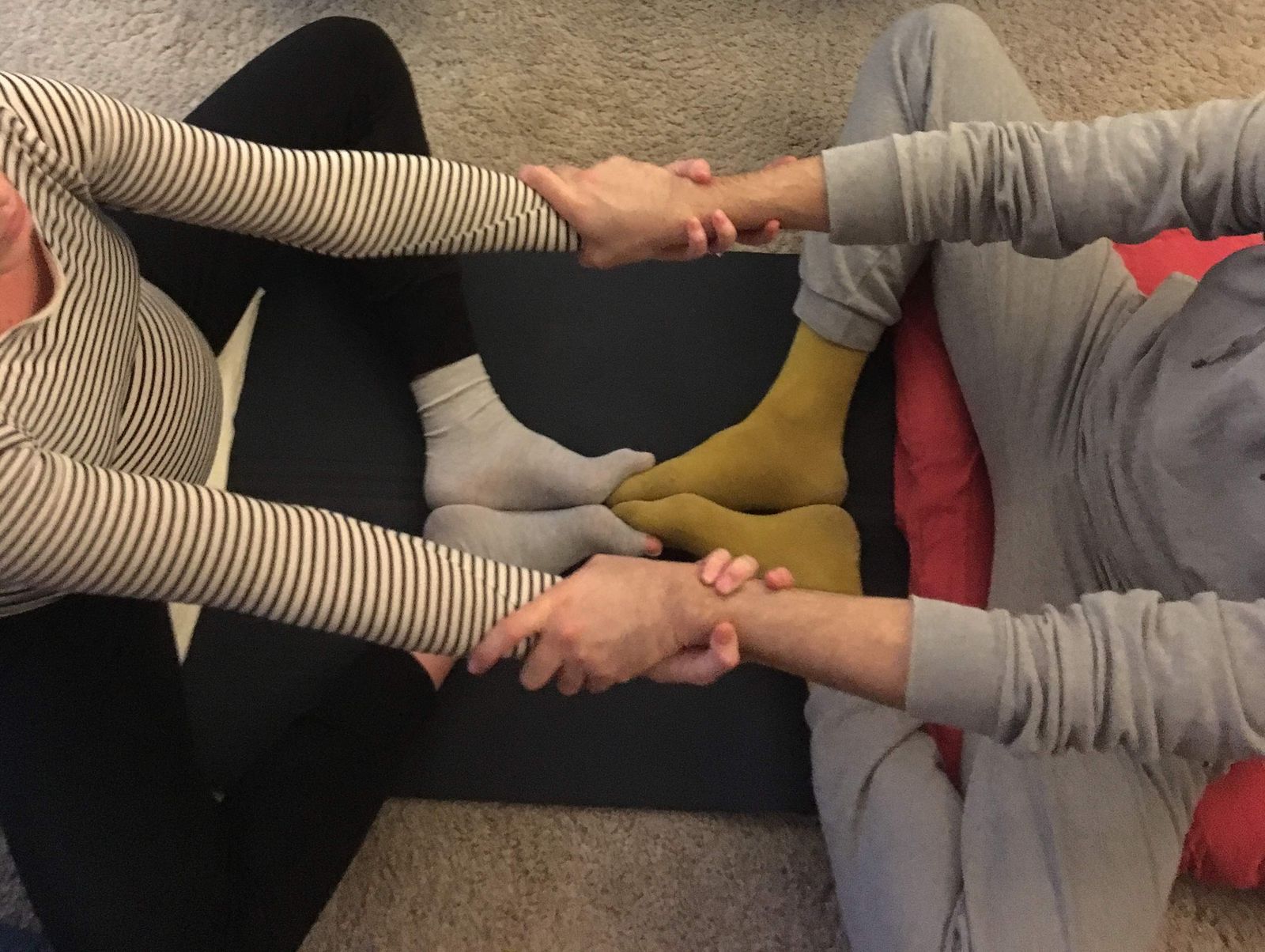
[Español más abajo] “You’re pregnant! Congratulations! Are you going to yoga?”
It’s become quite the trend to suggest yoga for pregnant women. Yoga for pregnancy, pre and postnatal, can be a beautiful experience and really help the mom-to-be, but it’s important for pregnant women to go to classes specially designed for the different stages of pregnancy.
There are many benefits in doing pregrancy yoga, for both the physical and mental health of the mother. Physically, pregnancy yoga can help increase space within the body, which allows the mom to be more comfortable, increase her lung capacity and reduce heartburn and nausea. It can also increase stamina, strength and flexibility and release tension in achy muscles.
Psychologically, practicing yoga helps reduce stress and anxiety, improves quality of sleep and enhances the connection between the mother and her baby.
In pregnancy yoga, we are careful not to strain the mother’s body nor push it past its limit. A recent study has shown that pregnant women expend about the same amount of energy as a professional endurance sport athlete. Because of all the changes that a woman’s body is going through and growing a baby, it is important that whatever extra exercise she does, it is done mindfully. While any yoga practitioner should always be aware their body and should never push past where the body wants to be in that moment, there are several postures that we do in “normal” yoga that are not well suited or healthy for pregnant women. Some of those postures include deep back bends, major abdominal stretching and/or straining, lying flat on your back or intense inversions.
Pregnancy yoga focuses more on aspects like, opening and strengthening the pelvic muscles, hips back and arms, engaging the pelvic floor, gentle stretching and, most importantly, breathing and relaxing. It also addresses the benefits of different poses that can be useful to get the baby in the optimal position for birth, poses and breath-work that can be beneficial during labor and postures that can be helpful after birth to help the mother strengthen and re-connect with her own body.
There are four main stages of pregnancy: 1st Trimester, when the embryo has embedded itself into the lining of the womb and begins to rapidly grow the heart and nervous system plus budding limbs. 2nd Trimester, the baby develops its skeleton and even fingernails and starts to create a pattern of waking and sleeping–movements which are often felt by the mother. 3rd Trimester, the baby quickly grows and gains weight by building fat stores, growing hair and nails and the lungs develop and prepare for the outside world. 4th Trimester, the baby is born and the mother is recovering from giving birth to her child and strengthening her body again.
Yoga can help in each stage of pregnancy, although it is recommended to avoid physical yoga during the first trimester and the first 6-10 weeks after giving birth. In those times however, breathing and relaxation practices are encouraged.
If you're interested in working with me for pregnancy yoga, prenatal, partner pregnancy yoga, postnatal or parent & baby, don't hesitate to contact me in the form below!
– ¡Estás embarazada! ¡Felicidades! ¿Vas a hacer yoga?
Se ha convertido en una tendencia sugerir yoga para mujeres embarazadas. El yoga de embarazo, pre y postnatal, puede ser una experiencia hermosa y realmente ayudar a la futura madre, pero es importante que las mujeres embarazadas asistan a clases diseñadas para las diferentes etapas del embarazo.
Hay muchos beneficios al hacer yoga de embarazo, tanto para la salud física como la salud mental de la madre. Físicamente, el yoga de embarazo puede ayudar a aumentar el espacio dentro del cuerpo, lo que permite que la madre se sienta más cómoda, aumente su capacidad pulmonar y reduzca la acidez estomacal y las náuseas. También puede aumentar la resistencia, la fuerza y la flexibilidad y liberar la tensión en los músculos adoloridos. Psicológicamente, practicar yoga ayuda a reducir el estrés y la ansiedad, mejora la calidad del sueño y mejora la conexión entre la madre y su bebé.
En el yoga del embarazo, tenemos que tener cuidado de no forzar el cuerpo de la madre ni empujarla más allá de su límite. Un estudio reciente han demostrado que las embarazadas gastan aproximadamente la misma cantidad de energía que un atleta profesional de deportes de resistencia. Debido a todos los cambios que el cuerpo de una mujer está atravesando y haciendo crecer a un bebé, es importante que cualquier ejercicio adicional que haga, se haga conscientemente. Si bien cualquier practicante de yoga siempre debe ser consciente de su cuerpo y nunca debe avanzar más allá de donde el cuerpo quiere estar en ese momento; hay varias posturas que hacemos en el yoga “normal” que no son adecuadas o saludables para las mujeres embarazadas. Algunas de esas posturas incluyen flexiones profundas de la espalda, estiramiento y/o esfuerzo abdominal fuerte, recostado sobre su espalda o inversiones intensas.
El yoga durante el embarazo se centra más en aspectos como, abrir y fortalecer los músculos pélvicos, las caderas, la espalda y los brazos, enganchar el suelo pélvico, estirar el cuerpo suavemente y, lo más importante, respirar y relajarse. También aborda los beneficios de las diferentes posturas que pueden ser útiles para colocar al bebé en la posición óptima para el nacimiento, las posturas y practicas de respiración que pueden ser beneficiosos durante el parto y las posturas que pueden ser útiles después del nacimiento para ayudar a la madre a fortalecerse y recuperar conectarse con su propio cuerpo.
Hay cuatro etapas principales del embarazo: Primer trimestre, cuando el embrión se incrusta en el revestimiento del útero y comienza a crecer rápidamente el corazón y el sistema nervioso, además de las extremidades. En el segundo trimestre, el bebé desarrolla su esqueleto e incluso las uñas y comienza a crear un patrón de vigilia y sueño, movimientos que a menudo siente la madre. Tercer trimestre, el bebé crece rápidamente y aumenta de peso mediante la construcción de depósitos de grasa, el crecimiento del cabello y las uñas, y los pulmones se desarrollan y se preparan para el mundo exterior. Cuarto trimestre, nace el bebé y la madre se está recuperando de dar a luz a su hijo y fortalecer su cuerpo nuevamente.
El yoga puede ayudar en cada etapa del embarazo, aunque se recomienda evitar el yoga físico durante el primer trimestre y las primeras 6-10 semanas después del parto. En esos tiempos, sin embargo, se fomentan las prácticas de respiración y relajación.
Si te interesa trabajar conmigo para yoga de embarazo, prenatal, en pareja, postparto, o padres y bebé, ¡no dudes en contactarme en el formulario abajo!
Tess Jewell-Larsen | NOV 25, 2019
Share this blog post